
The Unrivaled Symphony: Why the MacBook Pro M4 is Poised to Be the Best Laptop for Music Producers in 2025
The landscape of music production is in constant flux, driven by technological innovation that continually pushes the boundaries of what’s possible. From the bedroom artist to the professional studio engineer, the tools we use are fundamental to our creative output. As we gaze towards 2025, one device stands poised to redefine the benchmark for music production laptops: the Apple MacBook Pro, powered by the anticipated M4 chip. Building upon a legacy of performance, stability, and seamless integration, the M4 MacBook Pro is not just an incremental upgrade; it represents a generational leap designed to meet the escalating demands of modern music creation.
For music producers, a laptop isn’t merely a computer; it’s the nerve center of their studio. It needs to handle complex digital audio workstations (DAWs) with hundreds of tracks, myriad virtual instruments, and an array of demanding audio effects, all while maintaining ultra-low latency and unwavering stability. It must be a powerful workstation capable of rendering intricate mixes, yet also a portable powerhouse for on-the-go inspiration and live performance. The MacBook Pro, particularly with the advent of Apple Silicon, has consistently met these challenges, and the M4 generation promises to solidify its position as the undisputed champion.
The Heart of the Beast: The M4 Chip Architecture – A Deep Dive
At the core of the 2025 MacBook Pro’s dominance will be the revolutionary M4 chip. While specific details about the M4 are still under wraps at the time of writing, Apple’s consistent trajectory with its M-series processors (M1, M2, M3, and their Pro/Max/Ultra variants) allows us to extrapolate with considerable confidence. The M4 is expected to refine and significantly enhance the already industry-leading architecture, offering unprecedented performance, efficiency, and specialized capabilities critical for audio professionals.
1. The Next-Generation CPU: Raw Power for Complex Projects
The M4’s central processing unit (CPU) will likely feature an increased number of high-performance cores and improved efficiency cores, along with architectural enhancements that boost instructions per cycle (IPC). For music producers, this translates directly into the ability to:
- Handle Massive Track Counts: Imagine a project with 200+ tracks, each with multiple plugins. The M4’s CPU will chew through this with ease, ensuring smooth playback and real-time processing without dreaded crackles or dropouts.
- Run CPU-Intensive Virtual Instruments: Software synthesizers like Serum, Omnisphere, Kontakt with large sample libraries, or complex orchestral VSTs often push CPUs to their limits. The M4 will offer the headroom necessary to layer these instruments without fear of bogging down your session.
- Accelerated Rendering and Export: Bouncing down tracks, stems, or final mixes will be significantly faster, freeing up precious time for creative work rather than waiting for your computer to catch up.
- Seamless Multitasking: Running your DAW alongside video editing software for a music video, streaming a live performance, or browsing reference tracks will be a fluid experience, thanks to the M4’s robust multi-core performance.
2. The Enhanced GPU: More Than Just Graphics for Audio
While the graphics processing unit (GPU) might seem less critical for pure audio production, its role is increasingly important. The M4’s anticipated GPU improvements will benefit producers by:
- Fluid Plugin GUIs: Many modern plugins feature visually rich, interactive user interfaces. A powerful GPU ensures these GUIs are responsive and smooth, enhancing the user experience and reducing visual latency.
- Video Integration: Many producers also create music videos, visualizers, or live performance streams. A strong GPU makes editing and rendering video within your DAW (or dedicated video software) a much faster and more enjoyable process.
- Advanced AI-Driven Plugins: As machine learning becomes more integrated into audio tools (e.g., intelligent mixing assistants, advanced de-noisers, creative FX), the M4’s GPU (and Neural Engine) will accelerate these computations.
3. The Revamped Neural Engine: The Future of AI in Audio
Apple’s Neural Engine is a dedicated component for accelerating machine learning tasks. With the M4, we can expect a substantial boost in its capabilities. For music producers, this has exciting implications:
- Smart Mixing & Mastering: AI-powered plugins that analyze your audio and suggest optimal EQ, compression, or limiting settings will run with unprecedented speed and accuracy.
- Intelligent Noise Reduction: Advanced de-noising algorithms can clean up recordings more effectively and in real-time.
- Generative Music & Sound Design: As AI tools for generating melodies, harmonies, or unique sound textures become more sophisticated, the Neural Engine will be the backbone for these cutting-edge applications.
- Real-time Audio Repair: Imagine AI capable of instantly correcting pitch, timing, or even instrument separation with minimal latency.
4. Unified Memory Architecture: The Game Changer
Perhaps the most transformative aspect of Apple Silicon for audio is its unified memory architecture. The M4 will continue this paradigm, allowing the CPU, GPU, and Neural Engine to access the same high-bandwidth, low-latency memory pool. For music production, this is a game-changer:
- Blazing Fast Sample Loading: Large sample libraries (orchestral, cinematic, drum kits) that can consume tens or even hundreds of gigabytes of RAM will load almost instantaneously, reducing wait times and keeping the creative flow uninterrupted.
- Reduced Latency: The direct, high-speed access to memory minimizes data bottlenecks, which is crucial for achieving ultra-low latency when recording instruments or vocals, allowing for real-time monitoring with effects.
- Optimized Resource Allocation: The system dynamically allocates memory where it’s needed most, ensuring that even the most demanding plugins or processes have immediate access to the necessary resources without the overhead of data copying between separate memory pools.
- Efficient Multitasking: Whether you’re juggling multiple DAWs, rendering a video, and running a complex synthesis engine, the unified memory ensures all processes have swift and efficient access to data.
5. Dedicated Media Engine: For the Visual Producer
For producers who also delve into video content – be it music videos, live streams, or social media clips – the M4’s enhanced Media Engine will be invaluable. This dedicated hardware accelerator handles video encoding and decoding with incredible efficiency, enabling:
- Faster Video Export: Significantly reduces the time it takes to export high-resolution video projects, even those with complex effects.
- Smooth 4K/8K Playback: Edit and preview high-resolution video content within your DAW or video editor without dropped frames.
- Efficient Live Streaming: Offloads video encoding from the main CPU, ensuring stable and high-quality live streams without impacting audio performance.
Anticipated Performance Benchmarks & Real-World Scenarios
While precise benchmarks for the M4 are speculative, we can expect significant improvements over the M3. Based on previous generations, the M4 Pro and M4 Max variants will likely offer:
- 20-30% faster single-core performance than their M3 counterparts, crucial for plugin chains that rely on individual core strength.
- 30-50% faster multi-core performance, allowing for even more tracks and virtual instruments in a single session.
- Even greater efficiency gains, translating to cooler operation under heavy load and extended battery life.
In a real-world production scenario, this means:
- Recording with Zero Latency: Monitoring your vocals or guitar through a chain of digital effects (reverb, delay, amp simulation) with imperceptible latency, feeling as natural as an analog setup.
- Unrestricted Creativity: No longer needing to "freeze" tracks or constantly manage CPU meters. Producers can stack layers, experiment with effects, and build intricate soundscapes without hitting performance ceilings.
- Live Performance Reliability: For artists using their laptop as the brain of their live setup, the M4’s stability and power mean flawless playback of backing tracks, real-time effects processing, and instrument synthesis, minimizing the risk of crashes or glitches mid-show.
The macOS Advantage for Audio Professionals
Beyond the raw power of the M4 chip, the MacBook Pro benefits immensely from its operating system, macOS. Apple has meticulously crafted macOS to be an incredibly stable and optimized environment for creative professionals, especially those in audio.
- Rock-Solid Stability: macOS is renowned for its reliability. Crashes are rare, even under heavy load, providing producers with the peace of mind that their session won’t unexpectedly disappear. This stability is paramount in a live performance setting or during critical studio sessions.
- Optimized Core Audio: Apple’s Core Audio framework is the backbone of its audio capabilities. It offers incredibly low-latency performance and robust driver support, ensuring seamless communication between your DAW, audio interface, and other audio hardware. It’s a "just works" experience that minimizes troubleshooting.
- Professional Software Ecosystem: macOS is home to industry-leading DAWs such as Logic Pro X (Apple’s own, deeply optimized for Apple Silicon), Ableton Live, Pro Tools, Cubase, FL Studio, Studio One, and more. The vast majority of professional audio plugins and virtual instruments are developed and rigorously tested for macOS.
- Intuitive User Interface: macOS offers a clean, intuitive, and efficient user experience that allows producers to focus on their craft rather than wrestling with their operating system. Gestures, Spaces, and Mission Control enhance workflow efficiency.
- Security and Privacy: Apple’s commitment to security means a safer environment for your intellectual property and project files, with robust protections against malware and unauthorized access.
Display, Audio, and Input: The Sensory Experience
While internal processing power is paramount, the overall user experience is also shaped by the MacBook Pro’s external attributes.
- Liquid Retina XDR Display: The MacBook Pro’s display is a visual marvel. With its high resolution, incredible brightness, stunning contrast, and wide color gamut (P3), it’s not just beautiful; it’s functional. For producers, this means:
- Precise Visualizations: Clear and accurate representation of waveforms, spectrum analyzers, and video content.
- Comfortable Long Sessions: Reduced eye strain thanks to ProMotion (up to 120Hz refresh rate) and excellent color calibration, crucial for long hours in the studio.
- Color Accuracy: Important for producers who also design album art, visualizers, or edit music videos, ensuring colors translate correctly across different screens.
- Spatial Audio Speakers: While critical mixing should always be done on dedicated studio monitors or headphones, the MacBook Pro’s integrated spatial audio speaker system offers surprisingly good quality for casual listening, quick reference checks, or sharing ideas with collaborators on the go.
- Studio-Quality Microphones: The built-in three-mic array offers impressive clarity for quick vocal ideas, scratch recordings, or video conferencing. While not a replacement for a dedicated studio microphone, it’s remarkably capable for its form factor.
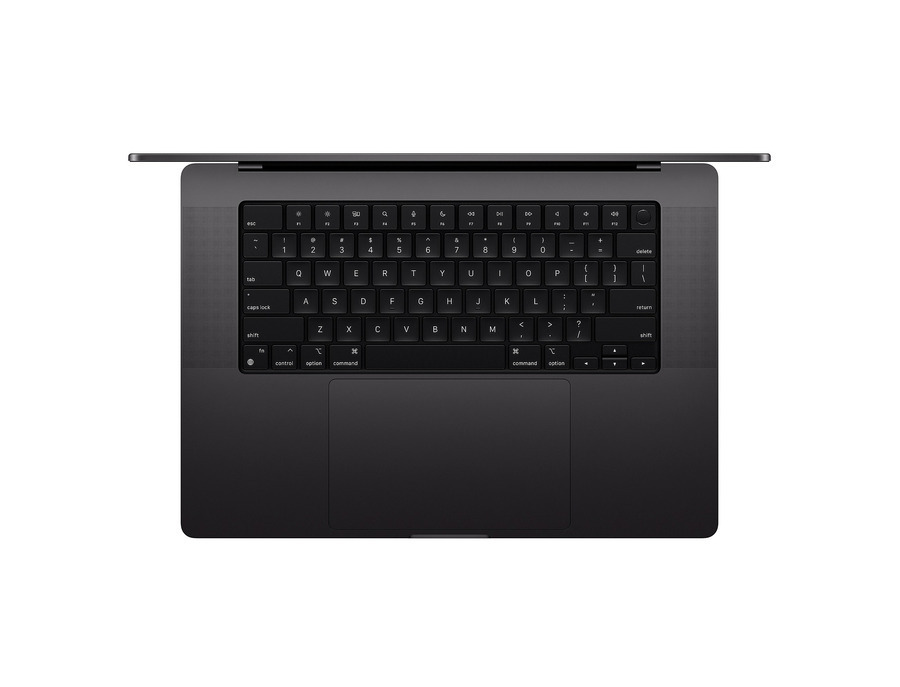
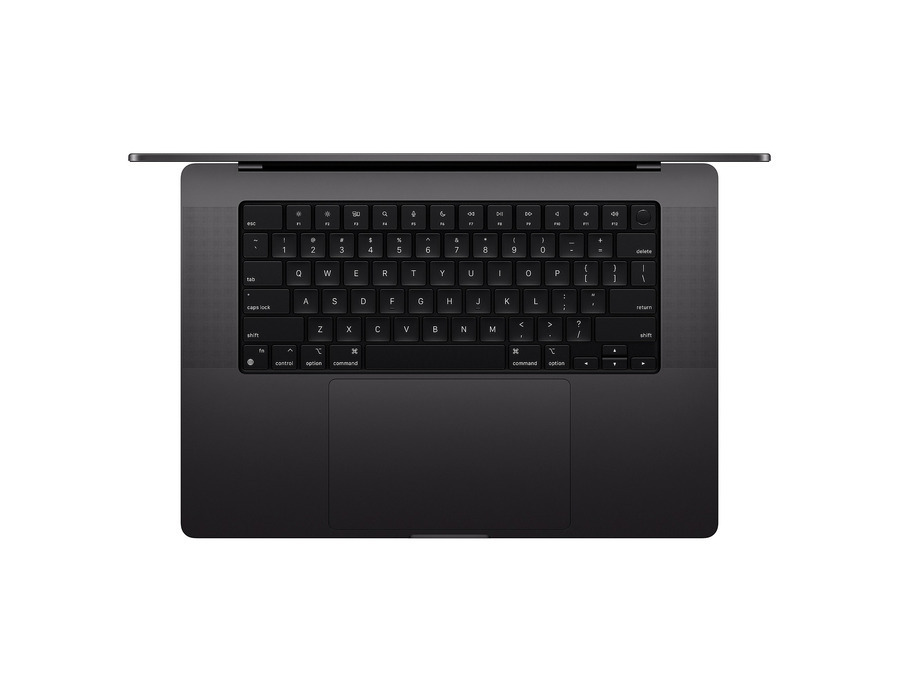
- Magic Keyboard and Force Touch Trackpad: The comfortable, responsive Magic Keyboard is a joy to type on, reducing fatigue during long editing or writing sessions. The expansive Force Touch trackpad provides incredibly precise control, making fine-tuning automation, navigating complex interfaces, and performing multi-touch gestures effortless – often eliminating the need for an external mouse.
Connectivity and Expandability: Building Your Studio
A laptop for music production needs robust connectivity to integrate with a myriad of external devices. The MacBook Pro’s port selection has evolved to meet these needs, and the M4 model will undoubtedly continue this trend.
- Thunderbolt Ports (USB4): These are the workhorses. With their incredible bandwidth, Thunderbolt ports allow for:
- High-Bandwidth Audio Interfaces: Connect professional multi-channel audio interfaces with ultra-low latency.
- External SSDs: Blazing-fast transfer speeds for sample libraries, project backups, and external drives.
- External Displays: Drive multiple high-resolution monitors for an expanded workspace.
- eGPUs (if needed for specific graphics tasks): While less common for pure audio, the option exists for hybrid producers.
- Docking Stations: Transform your portable laptop into a full desktop workstation with a single cable.
- HDMI Port: Essential for connecting directly to an external monitor or projector without the need for adapters, perfect for studio setups or presentations.
- SDXC Card Slot: A godsend for producers who record field audio, capture samples from cameras, or transfer files from external recorders. It eliminates the need for an external card reader.
- 3.5mm Headphone Jack: A non-negotiable for critical listening, providing a high-quality, low-latency analog output for studio headphones or monitors.
- Wi-Fi 7 & Bluetooth 5.4 (Anticipated): Next-generation wireless connectivity ensures fast cloud backups, seamless collaboration, and reliable connections to wireless peripherals like MIDI controllers or AirPods.
Battery Life and Portability: The Mobile Studio Concept
The M-series chips revolutionized laptop battery life, and the M4 MacBook Pro will push this even further.
- All-Day Production: Imagine working on a complex project for 15-20 hours on a single charge. This freedom allows producers to work anywhere – on a plane, in a cafe, or a remote location – without constantly searching for power outlets.
- Unplugged Performance: Crucially, Apple Silicon maintains its peak performance even when unplugged, unlike many Windows laptops that throttle CPU/GPU when on battery power. This means no compromise on performance, whether you’re at your desk or on the move.
- Sleek and Durable Design: The MacBook Pro’s iconic aluminum unibody enclosure is both visually appealing and incredibly robust, designed to withstand the rigors of travel and frequent use. Its relatively slim profile and manageable weight make it a true portable powerhouse.
Ecosystem Integration & Future-Proofing
Choosing a MacBook Pro is also an investment in the broader Apple ecosystem, which offers distinct advantages for creatives.
- Seamless Integration: Features like Handoff, Universal Clipboard, AirDrop, and Continuity Camera create a fluid workflow between your iPhone, iPad, and MacBook Pro, allowing for quick transfer of ideas, recordings, or notes.
- Long-Term Software Support: Apple is known for providing years of macOS updates, ensuring your MacBook Pro remains secure, compatible with new software, and performs optimally for a long time.
- High Resale Value: MacBook Pros consistently hold their value better than most other laptops, making them a wise long-term investment.
- AI-Driven Innovation: With the M4’s advanced Neural Engine, the MacBook Pro is inherently future-proofed for the inevitable explosion of AI-driven tools and workflows in music production.
Potential Drawbacks & Considerations
While the M4 MacBook Pro presents a compelling case, it’s important to acknowledge potential considerations:
- Price Point: MacBook Pros, especially the higher-end M4 Pro/Max configurations, represent a significant financial investment. This premium pricing can be a barrier for some producers.
- Closed Ecosystem: While beneficial for stability and integration, the Apple ecosystem is less open to user upgrades (RAM, storage are soldered). This means careful consideration of configuration at the time of purchase is crucial.
- Software Compatibility (Niche): While the vast majority of professional audio software is macOS compatible, extremely niche or older plugins/hardware might occasionally have compatibility issues, especially during early adoption phases of a new macOS version or M-series chip. However, developers are increasingly prioritizing Apple Silicon.
- Limited Repairability: Apple’s design philosophy prioritizes integration and slimness, which often comes at the expense of user repairability.
Configuration Recommendations for Music Producers (2025)
To truly harness the M4 MacBook Pro’s power, specific configurations will be ideal:
- Processor (M4 Pro vs. M4 Max):
- M4 Pro: Sufficient for most demanding producers, handling large projects with many tracks and complex plugins. Offers an excellent balance of power and cost.
- M4 Max: Recommended for those pushing the absolute limits – film scoring, mixing hundreds of tracks, heavy use of highly CPU/GPU-intensive synthesis and effects, or those who also do significant video editing alongside audio. It offers maximum core count and memory bandwidth.
- Unified Memory (RAM):
- 16GB (Minimum): Usable for smaller projects, beat-making, or less demanding workflows. May require freezing tracks in larger sessions.
- 32GB (Recommended): The sweet spot for most professional producers. Provides ample headroom for large projects, numerous virtual instruments, and complex plugin chains without bottlenecks.
- 64GB+ (Ideal): Essential for film composers, sound designers working with massive sample libraries, or those running multiple DAWs simultaneously. Offers ultimate future-proofing and unrestricted creative freedom.
- Internal Storage (SSD):
- 512GB (Minimum): Only if you heavily rely on external drives for sample libraries and project files. You’ll quickly run out of space for OS, applications, and current projects.
- 1TB (Recommended): A good starting point. Allows for the OS, core DAWs, essential plugins, and several active projects.
- 2TB or 4TB (Ideal): Highly recommended for most producers. Accommodates extensive sample libraries, numerous plugins, operating system, and many active projects without needing to constantly offload data. The internal SSD is significantly faster than most external drives, so prioritize it for active work.
- Screen Size (14-inch vs. 16-inch):
- 14-inch: More portable, ideal for producers on the go or those who primarily use external monitors in the studio.
- 16-inch: Offers a larger canvas for DAW interfaces, making it easier to see multiple tracks, plugin windows, and mixer channels without an external display. Excellent for those who value screen real estate while maintaining portability.
Conclusion
As we look to 2025, the Apple MacBook Pro with the M4 chip is not just another laptop; it is poised to be the quintessential tool for music producers across all genres and experience levels. Its anticipated M4 architecture – with its phenomenal CPU, GPU, Neural Engine, and unified memory – will provide unparalleled processing power, efficiency, and intelligence. This, combined with the steadfast stability of macOS, the industry-leading display, thoughtful connectivity, and extraordinary battery life, creates a creative environment without compromise.
The M4 MacBook Pro will empower producers to push their artistic boundaries, whether crafting intricate orchestral scores, producing bass-heavy electronic tracks, recording pristine vocals, or performing live with absolute confidence. It represents an investment in a future where technology seamlessly supports creativity, freeing artists to focus on what truly matters: making exceptional music. For the music producer seeking the definitive workstation that balances raw power with elegant design and unwavering reliability, the MacBook Pro M4 in 2025 will undoubtedly be the unrivaled symphony of choice.